

Grief & Loss Coaching
Grief is one of the most deeply human experiences we face. It can touch every part of life—our emotions, relationships, identity, physical wellbeing, confidence and sense of what the future may hold.
You may be grieving the death of someone you love, the ending of a relationship, separation or divorce, the loss of a job, a change in your health, estrangement from a family member, or a future that no longer looks the way you had imagined.
Whatever has brought you here, your grief matters.
There is no correct way to grieve, no fixed timeline and no single path through loss. Some days may feel manageable, while others can feel unexpectedly overwhelming. You may experience sadness, anger, anxiety, numbness, relief, guilt, confusion or a sense that the world has continued moving while part of you has remained behind.
You do not have to navigate this alone.
Grief Is Not Limited to Bereavement
We often associate grief with the death of someone close to us, but grief can arise whenever we lose a person, relationship, role, identity, sense of security or anticipated future.
You may be grieving:
The death of a loved one
The ending of a relationship or marriage
Separation or divorce
The loss of a friendship
Estrangement from a child, parent or other family member
Redundancy, retirement or a major career change
A change in your health or physical ability
Infertility, pregnancy loss or the loss of an imagined family
Children leaving home
Moving away from a home, community or country
The loss of financial security
A pet who has died or whose health is declining
A version of yourself or your life that no longer exists
A future you had expected and planned for
Whether you are grieving the loss of a loved one, coping with divorce or separation, navigating redundancy, supporting a family member with dementia, mourning the loss of a beloved pet, or adjusting to another significant life transition, your experience is valid and worthy of support.
Some forms of grief are visible and readily acknowledged by others. Other losses may be private, complicated or difficult to explain. You may feel that the people around you do not fully understand the significance of what has happened, or believe that you should be coping better by now.
Your experience does not need to be justified before it deserves care and support.
How Grief May Be Affecting You
Grief can appear differently from one person to another and may change from day to day.
You may notice:
Waves of sadness, anger, guilt or fear
Anxiety about the future
Difficulty sleeping or switching off
Mental fog, forgetfulness or difficulty concentrating
Feeling emotionally numb or disconnected
Irritability or feeling overwhelmed by small things
A loss of confidence, motivation or direction
Changes in your relationships
Feeling lonely even when other people are present
Replaying events or questioning what you could have done differently
Feeling caught between wanting to move forward and not wanting to leave the past behind
Pressure to appear “fine” for other people
A loss of meaning, identity or sense of belonging
Grief does not always follow a predictable pattern. It may arrive in waves, be triggered by an anniversary, song, place or conversation, or appear when you thought you were beginning to feel stronger.
These experiences do not mean you are grieving incorrectly. They are signs that something—or someone—has mattered deeply.
Grief Doesn't Move in a Straight Line
Grief changes over time. While the intensity may soften, significant dates, anniversaries, birthdays, familiar places, songs or unexpected memories can bring fresh waves of emotion. This is a natural part of grieving and does not mean you are moving backwards or "starting again."
Many people worry that they should be feeling better by now, only to find themselves caught off guard months or even years later. Healing is rarely a straight line. Together, we can explore ways to navigate these moments with greater self-compassion, emotional resilience and confidence, while honouring both your loss and your capacity to move forward.
Grief coaching offers a calm, compassionate space where you can talk openly, make sense of your emotions, and find practical ways to move forward while continuing to honour what you've lost.
Compassionate support through loss, change, and life's most difficult transitions.
“Your experience does not need to be justified before it deserves care and support”
Grief Coaching in Wellington and Online
I offer private grief and loss coaching from Capital Sports Medicine in central Wellington.
In-person appointments are available to clients from Wellington City, Petone, Lower Hutt, Upper Hutt, Porirua and the wider Wellington region.
For those who find it easier to talk while moving, Walk & Talk coaching is also available in selected Wellington locations, including the waterfront, the Botanic Garden and central city areas.
Online coaching is available throughout New Zealand and internationally via Zoom, allowing you to receive support from the privacy and familiarity of your own home.
You Don’t Have to Carry This Alone
You may be accustomed to being the strong one, taking care of other people or managing quietly on your own. Reaching out for support does not mean that you are failing to cope. It means you are recognising that this experience deserves care.
You do not need to wait until things become unbearable, and you do not need to know exactly what to say.
We can begin with what is happening for you today.
Book a grief and loss coaching session or contact me for a confidential conversation about whether coaching may be right for you.
Please note: My coaching provides compassionate support for people navigating grief, loss and life transitions. It does not replace medical, psychological or psychiatric care. If you are experiencing a mental health crisis or need urgent support, I encourage you to contact your GP, your local mental health crisis team or emergency services.
Why Work With Nicole?
I'm Nicole Wijngaarden. For over ten years, I've had the privilege of supporting people through some of life's most challenging and deeply personal transitions. As a qualified Relationship & Wellbeing Coach, HeartMath Coach and Mentor, NLP Practitioner and trained Sedona Method Facilitator, I combine evidence-informed coaching approaches with genuine compassion, emotional understanding and practical support.
Grief is never one-size-fits-all. It may follow the death of a loved one, the end of a relationship, separation or divorce, redundancy, family estrangement, changes in health, or any life transition that alters the future you had imagined. Whatever your experience, you deserve to be heard without judgement or pressure to "move on."
Both my professional experience and my own life have taught me that grief comes in many forms. Alongside navigating the end of a long-term marriage and career redundancy, I have experienced the loss of loved ones, the heartbreak of saying goodbye to beloved pets, and periods of family estrangement. These experiences have deepened my understanding of how grief can touch every part of our lives our confidence, identity, relationships and sense of belonging. While your journey will be uniquely your own, I understand how overwhelming loss and change can feel, and how important it is to have someone walk alongside you with empathy, compassion and hope.
Over the years, I have supported people navigating a wide range of life experiences, including bereavement, relationship breakdown, separation and divorce, redundancy, family conflict, anxiety, major life transitions, questions of identity and self-discovery, and other significant losses. Every person's journey is unique, which is why I tailor each coaching session to your individual needs, strengths and circumstances.
Clients often tell me they value having a calm, confidential and non-judgemental space where they can speak openly, process difficult emotions and begin to feel like themselves again. My role is not to tell you how you should grieve or how long your healing should take. Instead, I help you gently navigate what you're experiencing, develop practical strategies to support your wellbeing, regulate your nervous system, reconnect with your inner resilience and begin building a future that feels meaningful again.
Whether we meet in my Wellington clinic, online anywhere in New Zealand or internationally via Zoom, or through a Walk & Talk coaching session along Wellington's beautiful waterfront or Botanic Garden, you'll be welcomed with warmth, respect and genuine care.
There Is No Right Time to Reach Out
Many people wait months—or even years—before seeking support, believing they should be coping better or that they simply need to "be stronger." The truth is that grief doesn't follow a timetable, and there is no right or wrong way to experience it.
Whether your loss is recent or something you've been carrying quietly for years, you don't have to face it alone. Reaching out for support is not a sign of weakness—it's an act of courage and self-compassion.
Healing doesn't mean forgetting what you've lost. It means learning how to carry it differently, while gently creating space for hope, connection and the possibility of joy again.
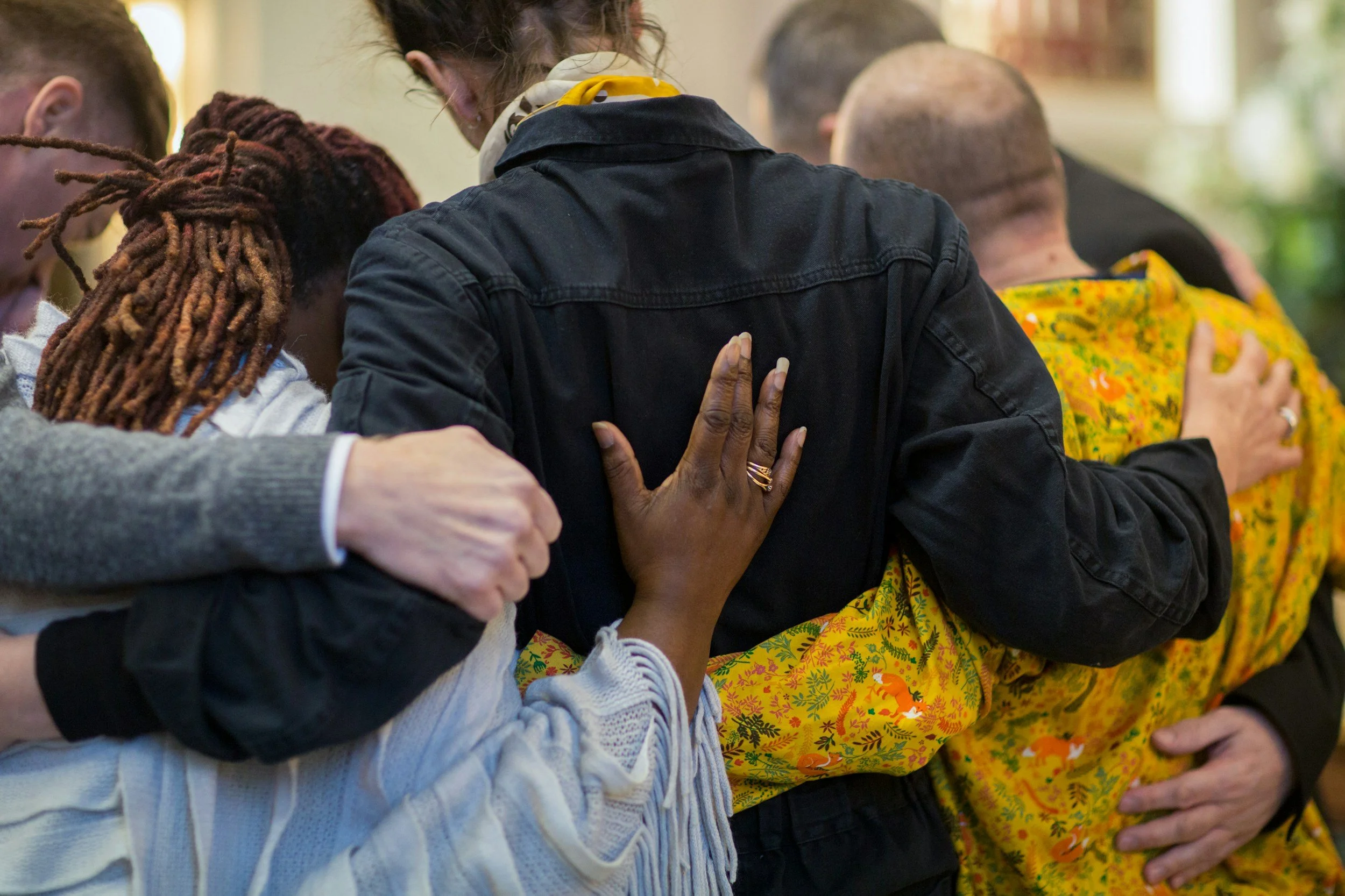
How Grief Coaching Can Help
Some people worry that talking about their grief will make it worse. Many clients tell me they feel relieved to finally have a space where they don't have to pretend they're okay.
Grief coaching offers a compassionate, confidential and supportive space where you can speak honestly about what you are experiencing without needing to protect, reassure or take care of anyone else.
Coaching is not about rushing your healing, forcing positivity or encouraging you to "get over" your loss. It is about helping you make room for your experience while gently supporting you to function, reconnect with yourself and take the next steps when you are ready.
Grief coaching may help you to:
Understand and process difficult emotions.
Reduce feelings of stress, anxiety and overwhelm.
Find practical ways to manage everyday life.
Communicate your needs and boundaries with others.
Navigate changes in relationships and family dynamics.
Rebuild confidence and emotional stability.
Reconnect with your values and sources of support.
Make sense of changes to your identity or future.
Develop healthy and sustainable coping strategies.
Find meaning without minimising what has happened.
Begin moving forward while continuing to honour what you have lost.What We May Work On Together
Our sessions will be shaped around you, your circumstances and what feels most important at the time.
Some sessions may provide a place to express thoughts and emotions that have had nowhere else to go. In others, we may focus on practical support, emotional regulation, changing relationship dynamics, difficult decisions or how to manage an approaching anniversary or significant event.
Together, we may explore:
What your loss means to you
The emotions you are carrying
What feels hardest right now
The support you need but may not be receiving
Ways to calm and regulate your nervous system
How to respond to unhelpful comments or expectations
Guilt, regret, unfinished conversations or unresolved feelings
Changes in your identity and relationships
How to honour what has been lost
What moving forward could look like without forgetting or letting go of what mattered
You remain in control of the pace and direction of our work. There is no expectation that you should arrive with clear goals or know exactly what you need. We can begin with where you are.
A Compassionate and Practical Approach
My approach combines compassionate listening with practical coaching tools that can help you feel more supported, grounded and able to meet what is happening in your life.
Depending on your needs, our work may include emotional regulation, HeartMath techniques, mindfulness, NLP-based coaching, the Sedona Method, values work, boundary setting and gentle strategies for managing stress and uncertainty.
I will not tell you how you should feel or impose a timeline on your grief. My role is to meet you with warmth, respect and honesty, and to help you find a way through that feels authentic to you.
Grief may change us, but it does not mean that a meaningful and fulfilling life is no longer possible. With the right support, it is possible to carry love and loss alongside renewed connection, purpose and hope.Whether you are grieving the loss of a loved one, a relationship, family estrangement, redundancy, the death of a beloved pet, or a future you had imagined.