The Invisible Mental Load After Separation
The grief, love, family, fear and quiet rebuilding that happen when a shared life changes
There are some losses we understand immediately. Someone dies, a job ends, a house is sold, and the world around us recognises that something significant has happened. Separation can feel almost unreal because the world keeps carrying on as though nothing has happened, while inside you, everything has changed. You may still wake in the same room, walk through the same house, hear the same sounds and move through the same routines, yet the emotional meaning of those ordinary things has shifted beneath you, as though the ground has opened up beneath your feet and you are still trying to work out where it is safe to stand.
The person whose footsteps you recognise instantly may still be somewhere nearby. Their mug sits in the cupboard, their coat hangs where it always has, and you still know the tiny details of a life lived closely together: how they take their coffee, the expression that once told you everything before a word was spoken, the sound of their key in the door. Perhaps you still instinctively turn to tell them something amusing before remembering that the space between you has changed. Familiarity lives deeply in the body, and there can be something achingly tender about discovering that your instincts still reach towards a person your life is slowly learning to live differently around.
Meanwhile, life continues asking ordinary things of you. Emails arrive. Groceries need buying. The dog still wants feeding. Children still want to know what is for dinner. Work meetings begin at the appointed time while part of your mind is wondering whether your home will need to be sold, why a lawyer has yet to respond, what a particular message really meant, or how somebody who once felt like part of your emotional home can suddenly feel so far away. That is part of the invisible mental load of separation: an extraordinary amount of internal processing occurring while you continue trying to live an apparently ordinary life.
Separation is common. The experience itself can feel anything but ordinary.
When the promise itself breaks
Marriage usually begins with hope. Two people stand beside one another and make a solemn commitment, perhaps before friends and family, perhaps before God, perhaps in a smaller ceremony where the deepest significance belongs entirely to them. However the promise is made, there is often something sacred beneath it: I choose you. I am building my life with you. Whatever arrives, we will face it together.
Those words gradually become woven into the fabric of everyday life. Years pass. Careers change. Children may arrive and grow. Parents age. Mortgages are paid. There are illnesses and recoveries, celebrations and disappointments, holidays and family rituals, laughter across kitchen benches and arguments that seemed enormous at the time and strangely insignificant years later. Slowly, stitch by stitch, a shared life takes shape, and the original promise becomes so much a part of the pattern that you may barely think about it.
When the marriage ends, the grief can therefore reach somewhere deeper than the loss of companionship. It can touch the promise itself.
You may find yourself travelling in memory all the way back to the beginning, remembering what you wore, the people who witnessed your vows, the photographs where you both looked towards a future you believed you understood. Perhaps you remember the feeling of their hand in yours. For people whose marriage carried spiritual meaning, separation can also open questions about faith, covenant, forgiveness and how something that once felt sacred came to this place.
There can be a particularly deep wound when you realise you were still living inside that commitment while your partner had already begun moving away from it emotionally. The heartbreak can carry a feeling bigger than you are leaving me. It can feel like we made a promise, and I was still standing inside it.
Over time, another truth may gradually become available too. The ending of a marriage does not erase the sincerity that once existed within it. Love can have been real. The commitment can have been real. The family, the tenderness and the years created around it can all have been deeply real. An ending changes the future; it does not have the power to reach backwards and steal every beautiful thing that came before it.
Two people, two emotional timelines
One of the most bewildering aspects of separation is that two people can experience the ending of the same marriage from entirely different places. For one person, the conversation announcing the separation may feel like the beginning. For the other, it may be the culmination of months or years of private thought.
The partner initiating the separation may already have questioned the relationship repeatedly, spoken with trusted people, sought advice, imagined a different life or slowly loosened their emotional attachment. They may have privately grieved parts of the marriage while the other person was still living within the assumption of a shared future. Practical preparations sometimes begin during this period too: finances are examined, legal advice sought, accommodation considered. In some relationships secrecy, another relationship, financial manoeuvring or dishonesty form part of that story. Every separation has its own history, yet even the difference in emotional timing can create an enormous distance between two people.
One person may feel that they have been wrestling with the decision for two years. The other may feel that their entire future changed on Tuesday afternoon.
The partner who has already travelled a long way internally may be able to discuss houses, money and legal arrangements with surprising calm. The person newly confronted with the ending may still be absorbing the first conversation. One is several chapters ahead while the other has only just realised that the book they thought they were reading has changed.
There can be genuine grief on both sides of that divide. The person choosing to leave may carry sadness, guilt, fear and relief alongside one another. They may still love aspects of the person and the life they are leaving. A family photograph can still bring tears. A child asking about Christmas can still pierce straight through whatever certainty they felt about the decision. Choosing an ending does not remove the emotional consequences of the ending.
For the partner receiving the decision, the mind can become an almost relentless detective, sifting through memories and conversations as though the answer must be hidden somewhere in the past. When did this start? Was that holiday as happy as I thought? What did I miss? Did other people see something I could not see? There can be a desperate hope that finding the exact moment everything changed will somehow make the whole story easier to hold.
Sometimes clarity comes. Sometimes the relationship contained more complexity than any single explanation could possibly carry.
And slowly, perhaps after many nights spent mentally walking the same path, your attention can begin to turn from understanding every part of their decision towards understanding what you need now.
When the heart catches up later
Delayed shock deserves far more tenderness than it often receives. There can be a significant distance between hearing that a marriage is ending and emotionally comprehending what those words mean.
For a while, part of you may continue expecting life to fold back into its familiar shape. Bedrooms may have changed, communication may feel strained and lawyers may already be involved, yet somewhere inside there can still be an expectation of another conversation, another chance, another turn in the story. The mind has received the information; the heart seems to absorb it in smaller pieces.
Then something practical happens. An investment is divided. The house is valued. A bank account changes. A lawyer describes something that has always been ours in language that places it into two separate lives. Something that once belonged to a shared future becomes a number on a page, and suddenly the ending moves from an idea into something you can almost touch.
That can be the moment reality lands differently.
People sometimes wonder why grief becomes stronger months into a separation when they seemed to cope so well at the beginning. Early coping may have been exactly what mind and body needed. Sometimes survival arrives first and comprehension follows once there is enough capacity to feel more.
The heart has its own timetable.
Holding the beautiful memories softly
Separation can also change the way memories arrive. When an ending has been painful, the final chapter can cast a long shadow over everything that came before it. Yet human lives contain far more texture than a single ending can hold.
A song may transport you somewhere in an instant. A familiar scent, an old photograph, a restaurant, the first warm afternoon of spring or snow beginning to fall outside can open a small door into a memory that still carries magic. Perhaps you remember a holiday where you laughed until your stomach hurt, the day one of your children was born, a ridiculous private joke that nobody else would understand, or simply an ordinary evening when you looked across at the person beside you and felt deeply grateful that they were there.
At first those memories can ache because they bring you close to something that has changed. Over time, another way of holding them can emerge. You can allow a beautiful memory to remain beautiful, hold it softly for a moment, feel the warmth and perhaps the ache that travels beside it, and let it settle back into the larger story of your life.
The laughter still happened. The tenderness still happened. The children still grew. The adventures still mattered. Love existed in real moments, and those moments remain woven into you.
There is something gentle in allowing the past to keep its colours. The golden threads can travel forward with you while the pattern itself changes.
When fear changes people
Separation can reveal parts of people that neither partner expected to meet. Hurt can harden into anger, fear can become control, and shame can emerge as blame. Someone who once seemed generous may become intensely protective around money. Someone who usually avoided conflict may become combative. A person who once spoke openly may retreat behind carefully constructed messages or legal correspondence.
Sometimes the person standing in front of you feels astonishingly different from the person whose hand you once held.
And sometimes you feel different too.
You may notice yourself replaying conversations, checking figures repeatedly, searching for certainty or feeling unusually sensitive to every message and every silence. Confidence can wobble. Decisions that once felt straightforward can suddenly require enormous energy. When home, money, family, identity and future are shifting together, the emotional ground can feel slippery.
A gentler question can create a little room inside all that intensity: What is this reaction trying to protect, and what would help me feel steadier today?
The mind may be demanding a complete ten year plan while the body is asking for something much smaller: a trusted conversation, a clear piece of information, a walk beside the water, a nourishing meal, a good night's sleep or one decision about the next twenty four hours. Each small piece of steadiness becomes another place to put your foot.
Eventually, the ground begins to feel more solid.
When a shared life becomes paperwork
There is something deeply surreal about watching a marriage that once contained intimacy, children, holidays, illness, laughter, arguments and thousands of ordinary evenings become translated into valuations, legal correspondence, assets and percentages.
A house carries a market value, yet the people who lived there know the feeling of the kitchen on Christmas morning, the place where the dog always sleeps, the room a child once painted an outrageous colour, the garden planted together and the sound of family voices around the table. An investment has a dollar value while also carrying years of assumptions about retirement and a shared future. Money during separation rarely carries only financial meaning. It can become intertwined with security, contribution, freedom, recognition and deeply personal ideas about fairness.
In New Zealand, agreements about dividing relationship property require each partner to receive independent legal advice, and the separation process can involve decisions about children, mortgages, pets and property as lives are reorganised. (New Zealand Ministry of Justice) Yet legal processes move according to their own rhythm, which can feel painfully slow when the outcome touches your home and future.
Information is sent. Responses are awaited. Another question emerges. A valuation takes time. A lawyer has other matters requiring attention. Days can stretch into weeks, while an anxious mind busily fills the empty space with interpretations. During those periods, having somewhere for the uncertainty to land can make an enormous difference.
For many women, the financial fabric is different
There is another reality that deserves to be spoken about with both care and clarity. Two people can divide the assets of a long relationship and still emerge with very different financial capacities for the years ahead.
For many women, raising children shaped the trajectory of paid work. Career breaks, part time hours and employment decisions built around school days and family needs can leave a lasting imprint on income, career progression and retirement savings. Those choices may have made perfect sense within a family where resources were understood as shared and one person's availability at home enabled the other person's working life to continue with fewer interruptions.
The long term effect is visible in New Zealand's retirement data. Te Ara Ahunga Ora Retirement Commission's 2026 KiwiSaver research reports that men still hold average KiwiSaver balances around 24 percent higher than women, despite women being slightly more likely to contribute. The Commission links the difference with higher male earnings and less interrupted patterns of paid work. (Retirement Commission) Detailed analysis of more than 3.2 million KiwiSaver members found the gap becomes particularly pronounced through the 50s and early 60s, reaching around 37 percent for people aged 56 to 65. (Retirement Commission)
Research focused specifically on New Zealanders separating after 50 found another sobering pattern. More than half of those surveyed experienced reduced financial circumstances afterwards, while the proportion describing themselves as financially uncomfortable rose from 21 percent before separation to 64 percent afterwards. Women were affected more strongly, with the researchers pointing to primary caregiving and its impact on earning potential as one contributor. (Retirement Commission)
Behind those statistics sit real lives. There are years of school pickups, days home with sick children, lunches packed, appointments remembered and working hours shaped around what the family required. Much of that care created the conditions in which the family could thrive, even while its economic value accumulated far less visibly.
For a woman beginning a new chapter in midlife, the financial road can therefore feel steep. Yet this part of the story can also become a place where agency begins returning. Understanding your position, strengthening your earning capacity, becoming more involved in financial decisions and imagining a future shaped increasingly by your own choices can gradually transform the texture of fear. Confidence can be rebuilt through experience, one decision at a time, until the woman who once wondered how she would manage begins to recognise her own financial capability.
The children are living through a separation too
When adults are overwhelmed, children can easily become part of the logistics: where they sleep, who collects them, how holidays work and which parent attends which event. Underneath every arrangement, though, is a child or young person whose family landscape has changed.
Even adult children can feel something unexpectedly young inside them when their parents separate. They may have partners, careers and homes of their own, yet the family they grew up within still forms part of their emotional map. The change can stir questions about where home is now, how traditions will work, how each parent is coping and whether loving one freely might somehow hurt the other.
Younger children may express uncertainty through behaviour, tears, anger, sleep changes or a stronger need for reassurance. Teenagers may retreat, become protective or appear remarkably self contained. Adult children can quietly become the sensible ones, helping with practical matters or listening to parts of the adult story while also carrying their own grief.
New Zealand Ministry of Justice guidance places children's best interests at the centre of parenting arrangements and encourages parents and whānau to help children talk about their feelings, preserve meaningful relationships and keep adult conflict away from them. (New Zealand Ministry of Justice)
Perhaps one of the most loving gifts parents can offer children during separation is permission to keep loving freely. Mum remains Mum. Dad remains Dad. Grandparents remain precious. A child can enjoy time with one side of their family and return happily to the other without affection becoming a test of loyalty.
Children often grieve ordinary things too. The dog may now live mostly in one home. Grandparents may appear less often. Family holidays change shape. Christmas becomes something that requires a diary. The house that once represented home may be sold.
When a child asks, Are we still going to Grandma's for Christmas?, there may be a much bigger question tucked softly underneath it: Which parts of my life are staying with me?
The marriage may be ending while their childhood continues unfolding around it.
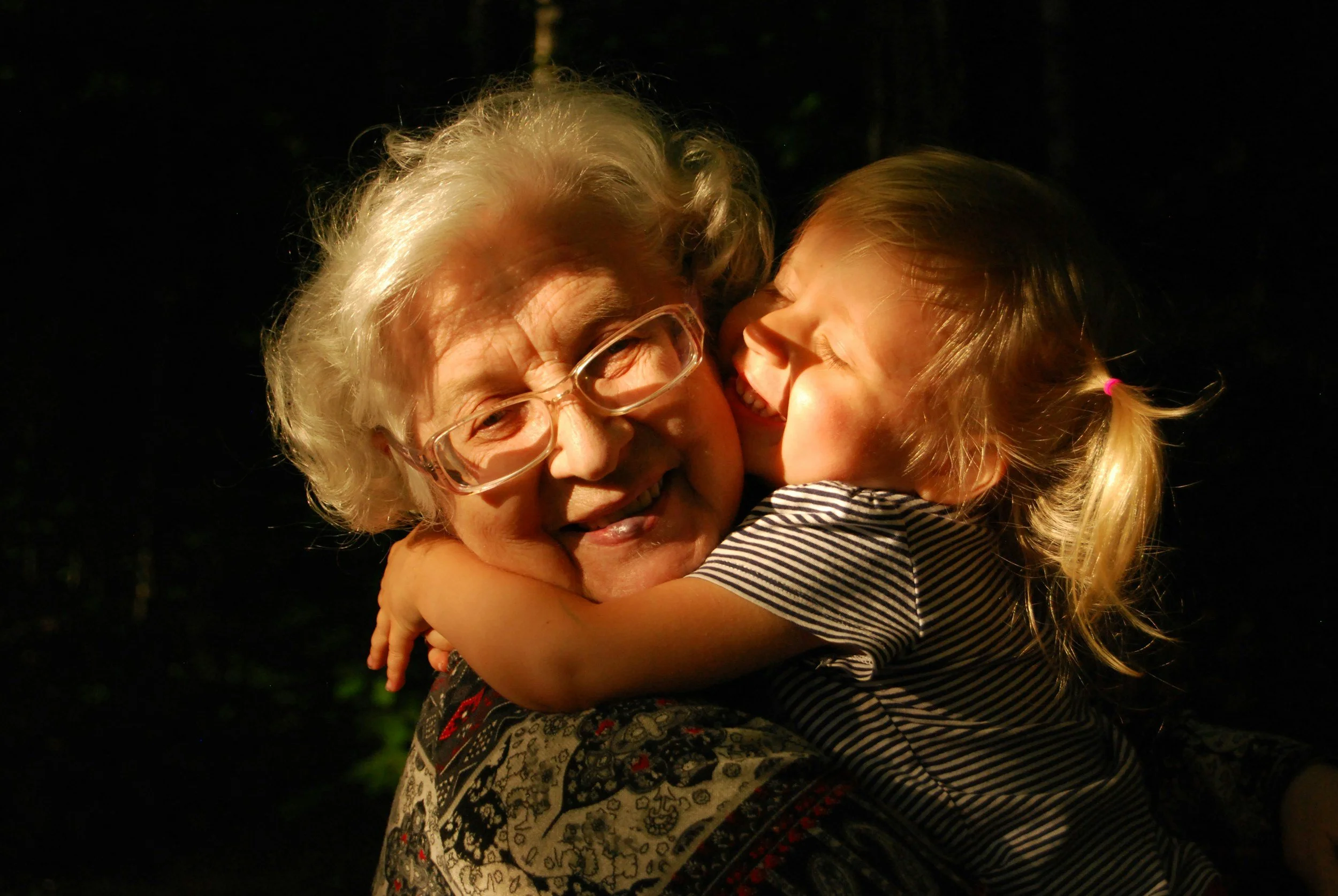
The ripples reach grandparents and extended family
Marriage creates relationships far beyond the couple, and those relationships can carry their own grief when the marriage ends. A mother in law may have loved her daughter in law for decades. A father may have come to think of his son in law as another son. Brothers and sisters in law can gradually become simply brothers and sisters after enough holidays, emergencies, shared meals and family milestones.
Grandparents may quietly wonder how often they will see the grandchildren or how familiar traditions will evolve. They may feel fiercely protective of their own adult child while still carrying genuine love for the person from whom that child is separating. Birthdays become more complicated. Christmas tables change. People who once hugged without thought suddenly wonder what their relationship is allowed to look like.
New Zealand guidance recognises that children benefit from continuing relationships with parents, whānau and friends who are important in their lives, where those relationships are safe and supportive. (New Zealand Ministry of Justice) That reflects something deeply human as well as practical: years of attachment move at a different pace from legal change.
Some relationships will eventually take a different shape. Grandparents can remain beloved grandparents. Friendships may find new boundaries. Traditions can be adapted. Family life can be reknitted too, sometimes using familiar threads in ways nobody could have imagined when everything first came apart.
Adults need somewhere for their feelings to land
Children need room for their emotions, and adults deserve that same human permission. Separation can carry anger, anguish, longing, relief, fear, tenderness and confusion together, creating feelings that sound contradictory until you have lived them.
Trusted friends and family can be extraordinary during this time, especially the people who know how to listen warmly and allow you to discover your own answers. Sometimes simply giving voice to what has been circulating privately can soften something inside: I still love parts of them. I feel furious. I am frightened. I can sense a future somewhere ahead of me and today I am struggling to see it clearly.
I understand some of this landscape personally as well as professionally, and I know how different separation feels when it moves from something you understand intellectually into something you are actually living inside.
In my work as a relationship coach, I offer a space for exactly these conversations. There is room to bring the grief, the anger, the uncertainty, the love that may still be present and the parts of yourself you are beginning to rediscover. My role is to help you slow the emotional noise, hear your own wisdom more clearly and begin finding steadiness while so much around you is changing.
I offer individual Separation and Divorce Coaching, support through Relationship Challenges, and Walk and Talk Coaching for people who find thoughts and feelings begin moving differently when the body is moving too. Sessions are available in Wellington and online.
Sometimes our work begins with a beautifully simple question: What do you need now?
After years of thinking as part of a we, that question can feel almost unfamiliar. Yet as the answer begins to emerge, perhaps quietly at first, your own voice starts becoming easier to recognise.
Support also creates a healthier emotional container around children. When adults have appropriate places for grief, anger and uncertainty to be heard, children have greater freedom to remain inside their own experience rather than carrying the emotional weight of the adults around them.
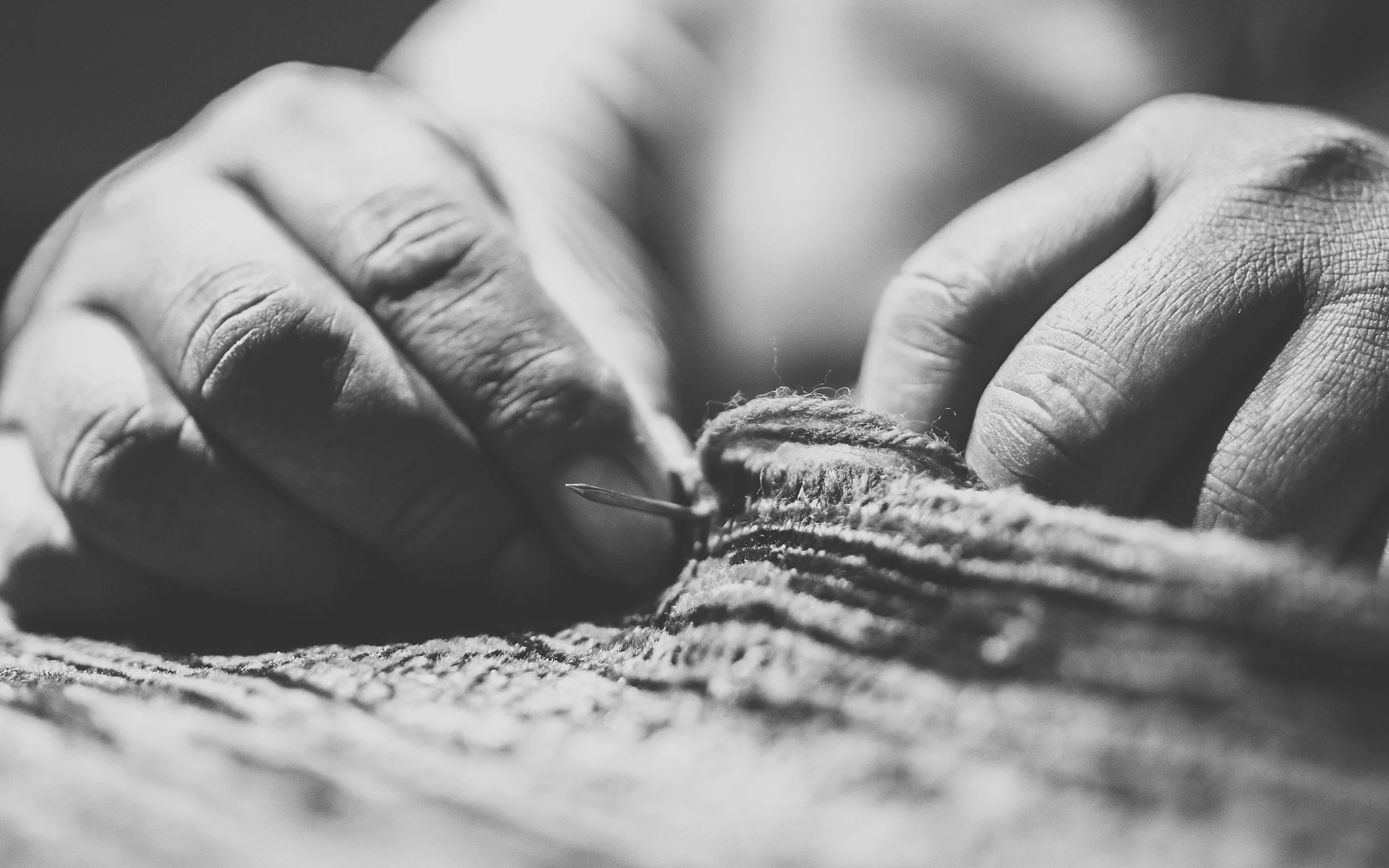
Reknitting yourself into the life ahead
Rebuilding after separation can become a deeply personal act of reknitting yourself together, using the threads of everything you have lived, loved and learned. Some threads carry tenderness, others carry wisdom, some have been stretched through difficult years, and a surprising number reveal their strength only when you finally gather them into your own hands.
Whether a relationship lasted two years, twelve years or twenty five years, you emerge carrying experience. You understand more about closeness, communication, compromise, desire, disappointment, resilience and the person you become inside a relationship. As the emotional fog begins to lift, you may start recognising where you flourished, where your voice became quieter, what made you feel deeply loved and what kind of connection you would like to create in the future.
Strength often reappears through very ordinary moments. You make a decision by yourself and feel it settle comfortably inside you. You handle something you once relied on your partner to manage. You solve a problem, ask for help, return to work, rearrange a room or catch yourself laughing properly with somebody you love. One day you notice that you are standing a little taller.
These moments are stitches, and slowly they begin forming something.
Through coaching, I can help you recognise that emerging strength and work with it deliberately. We can explore the wisdom your relationship has given you, reconnect with qualities that may have become quiet and begin shaping a vivid sense of how you want the next chapter to feel. The attention gradually moves from the ending towards the person you are becoming: how you want to feel when you wake in the morning, what kind of home gives you peace, how you want to communicate, how you want to be loved, and what parts of yourself are ready to become fuller and more alive.
The Life After This Can Still Be Extraordinary
There may come a point when the questions themselves begin to change. For a long time your mind may have circled around Why did this happen? How did we get here? What does this mean for me? Those questions deserve tenderness and time. Then, perhaps almost imperceptibly, curiosity begins opening another door: What have I learned? What matters to me now? Who am I becoming? What kind of love would feel beautiful to live inside next time?
The future begins acquiring texture again. Perhaps you imagine a home that feels peaceful when you walk through the door, work that gives you confidence, evenings filled with people who make you laugh, travel, music, intimacy, family dinners and the quiet pleasure of feeling entirely comfortable in your own life. Perhaps the picture remains hazy for a while. The very fact that you can begin picturing it tells you something inside you is already moving.
Midlife can make this transition especially significant because there is so much lived experience behind you, and that experience can become an extraordinary resource. You know yourself differently now. You have loved, adapted, cared, compromised, learned and grown. You arrive at this chapter carrying a deeper understanding of what matters and a greater capacity to recognise the kind of life and love that fit the person you have become.
The new pattern can carry familiar threads while becoming something entirely its own. The memories can remain soft. The lessons can become wisdom. The love you once gave becomes evidence of how deeply you are capable of loving, and the strength you have discovered becomes part of the foundation beneath whatever you choose next.
One day you may notice that the separation has been absent from your thoughts for an entire morning. You may hear yourself laugh and recognise your own joy again. You may make a decision about your future and feel the quiet certainty of your own voice beneath it. These moments join together like stitches until the new chapter begins to feel less like something you are hoping for and more like the life you are already creating.
A solemn promise may have been broken and a beloved pattern may have changed, yet the threads of who you are remain in your hands, rich with memory, wisdom, love, courage and experience. You get to decide how they come together from here.
The life after this can still be extraordinary.
If parts of this article have felt familiar and you would value a warm, steady place to make sense of what you are feeling, reconnect with your own strength and begin shaping what comes next, I would be honoured to walk alongside you. I offer Separation and Divorce Coaching in Wellington, online, and through Walk and Talk sessions.
You can make your booking directly through my website whenever you feel ready.